
A Conversation with Charlotte Hardy: Advancing Pediatric Brain Cancer Research Through Open Science
At M4K Pharma, we believe that drug discovery should be driven by collaboration and transparency. This is particularly urgent in the search for treatments for Diffuse Intrinsic Pontine Glioma (DIPG), an aggressive and fatal childhood brain cancer with no approved therapies.
To address this challenge, we have built a global collaborative network of researchers, institutions, and industry partners, each responding to an unusual request: would they be willing to join a project free from barriers and secrecy, and help discover a drug, not for profit, but for children?
That question sparked a long-standing collaboration rooted in shared purpose and scientific excellence. One of our earliest and most dedicated partners has been Charles River Laboratories. Since 2017, their scientists have contributed pro bono medicinal chemistry expertise to help advance our ALK2 inhibitor program. Their support exemplifies how open science partnerships can move the needle in diseases long overlooked by traditional drug development models.
In this Q&A, we spoke with Dr. Charlotte Hardy, Director at Charles River, to reflect on the power of open collaboration, what makes this project different, and what gives her hope as we prepare for the next phase of our program - selecting a lead candidate and completing IND-enabling studies.
Here are some snippets from our conversation, which we are sure you will enjoy as much as we did.
How did you hear about M4K Pharma, and what motivated Charles River to become involved in the ALK2 inhibitor project?
Charles River was approached by M4K Pharma regarding our interest in contributing to their “open science” project, looking to generate orally available, brain-penetrant inhibitors of the kinase ALK2, for the therapeutic treatment of the orphan pediatric brain cancer DIPG. The project was already supported by a number of grant awards to the individual contributing institutions, but Charles River was approached specifically with a view to contributing in-kind medicinal and synthetic chemistry services, as well as discovery and safety assessment consultancy. We were very interested in the open science model and keen to explore a “cloud-sourcing” approach where voluntary donations of staff time, through our Corporate Social Responsibility initiative, could contribute to the progression of this drug discovery project.
What is unique or rewarding about working with an open science project like M4K Pharma?
Working on an open science project has some differences from the typical client projects we support. This is evident in the number of collaborators involved, which is significantly higher with this project (>5-10 different institutions/collaborators). This provides some challenges to the team in ensuring effective communication and decision making, but it is also an opportunity to seek valuable input from scientists with different backgrounds and expertise. The freedom to publish and share scientific findings live as the project progresses is also significantly different. What isn’t unique to this collaboration, but a common purpose for many of our scientists, is working towards a therapy for such a devastating disease, with no current effective treatments; this desire to positively impact patients' lives is at the heart of our company.
What specific capabilities or expertise does Charles River bring to the ALK2 program?
Charles River has provided synthetic, medicinal and computational chemistry contributions in the Hit to Lead and Lead Optimisation phases of the project, as well as delivering biological, ADME and in vitro safety assay data. We have also provided broader drug discovery consultancy, including our views on the interpretation of data from a wide range of collaborators and recommendations on the pre-clinical data package and path through IND towards clinical trials.
How do you see the work being done in the M4K Pharma project contributing to the broader landscape of rare pediatric disease treatments?
The M4K Pharma open science concept is ideal for areas such as rare pediatric cancer, to help further important research in this challenging, often overlooked area. We see this work as extremely valuable in progressing potential therapies to clinical trials for a disease with high unmet need.
Looking ahead, what are you most excited about as this project progresses?
We are most excited about seeing a compound discovered as part of this open science initiative progress to clinical trials and show potential benefit to DIPG patients. The project is at a really exciting phase where we are currently selecting which molecule to progress through IND enabling safety studies, so this goal is now within reach!
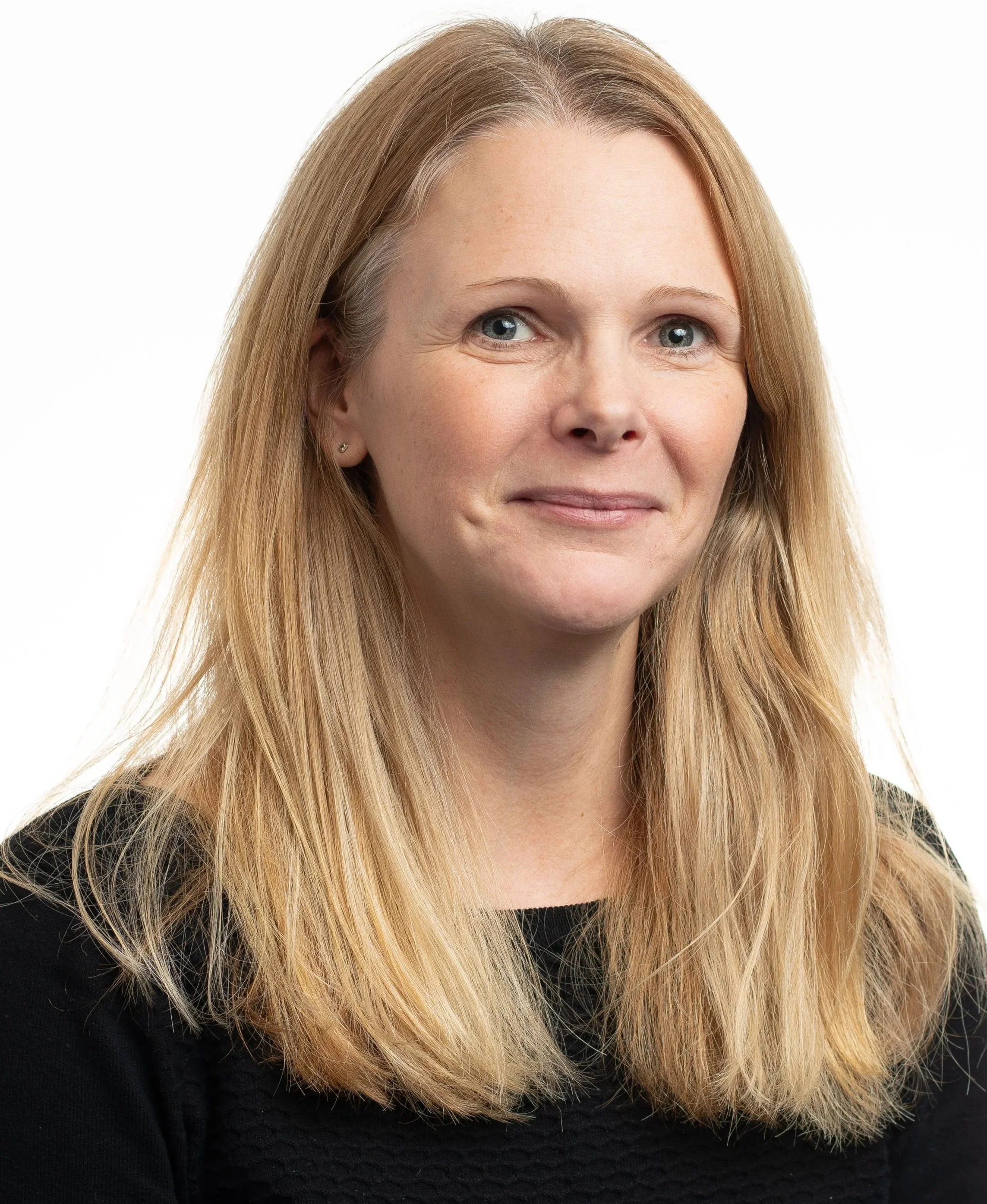
About Charlotte Hardy
Charlotte has 24 years’ experience working in drug discovery and medicinal chemistry, within the Pharmaceutical (GSK) and CRO (Charles River Laboratories) sectors. She has made significant contributions to the discovery of four pre-clinical/clinical candidates and is passionate about integrating cross-disciplinary knowledge to drive forward drug discovery projects. Charlotte was awarded the RSC Young Industrialist of the Year Award, and in 2013, most meritorious runner-up for the EFMC Young Medicinal Chemist in Industry Award in 2011 and is a co-author on 12 publications and 14 patents.